Dieter Rams Design: Philadelphia Museum Exhibit
One of the best exhibits I’ve seen in a long time explores the design philosophy of Dieter Rams, who created elegantly simple Modernist products for the German company Braun in the late 1950s through the early 1980s. Some of the 20th Century’s most beautiful electronics and household appliances were shaped by Rams’ belief in functionality and timelessness, which was a marked contrast with the more common “planned obsolescence” design strategy that applied fashionable trends to manufactured products that are then considered dated and out of style in a few years’ time.
Rams also designed modular shelving systems, still in production by Vitsoe, and table and chair designs that look as modern now as the day they were designed several decades ago.
”Dieter Rams: Principled Design” was on view at the Philadelphia Museum of Art.
A fascinating documentary about his life and work was recently completed by Gary Hustwit.
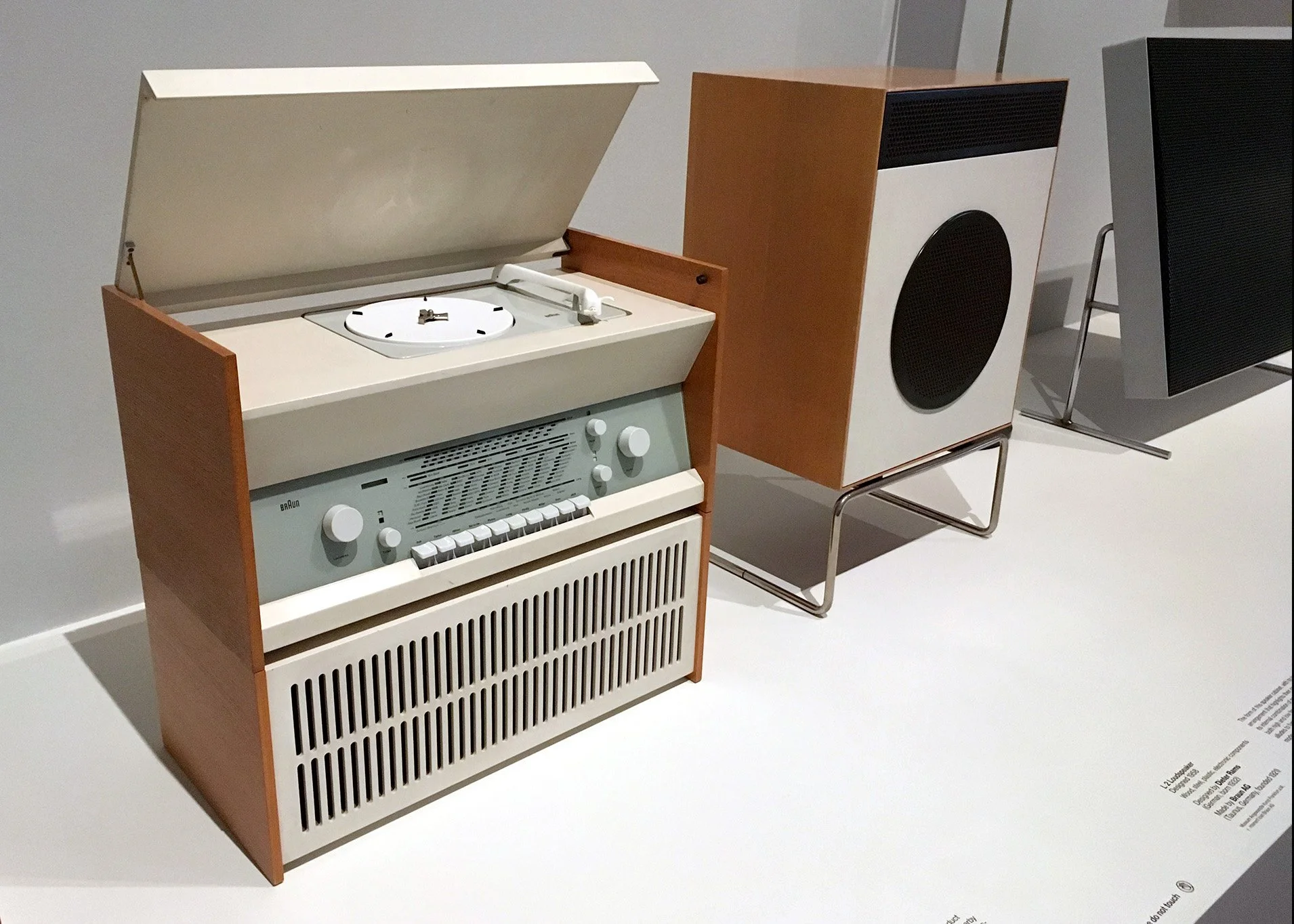
Before joining Braun, Rams trained in architecture and interior design. This background explains why many of his products feel structured and spatially organized, almost like small buildings.
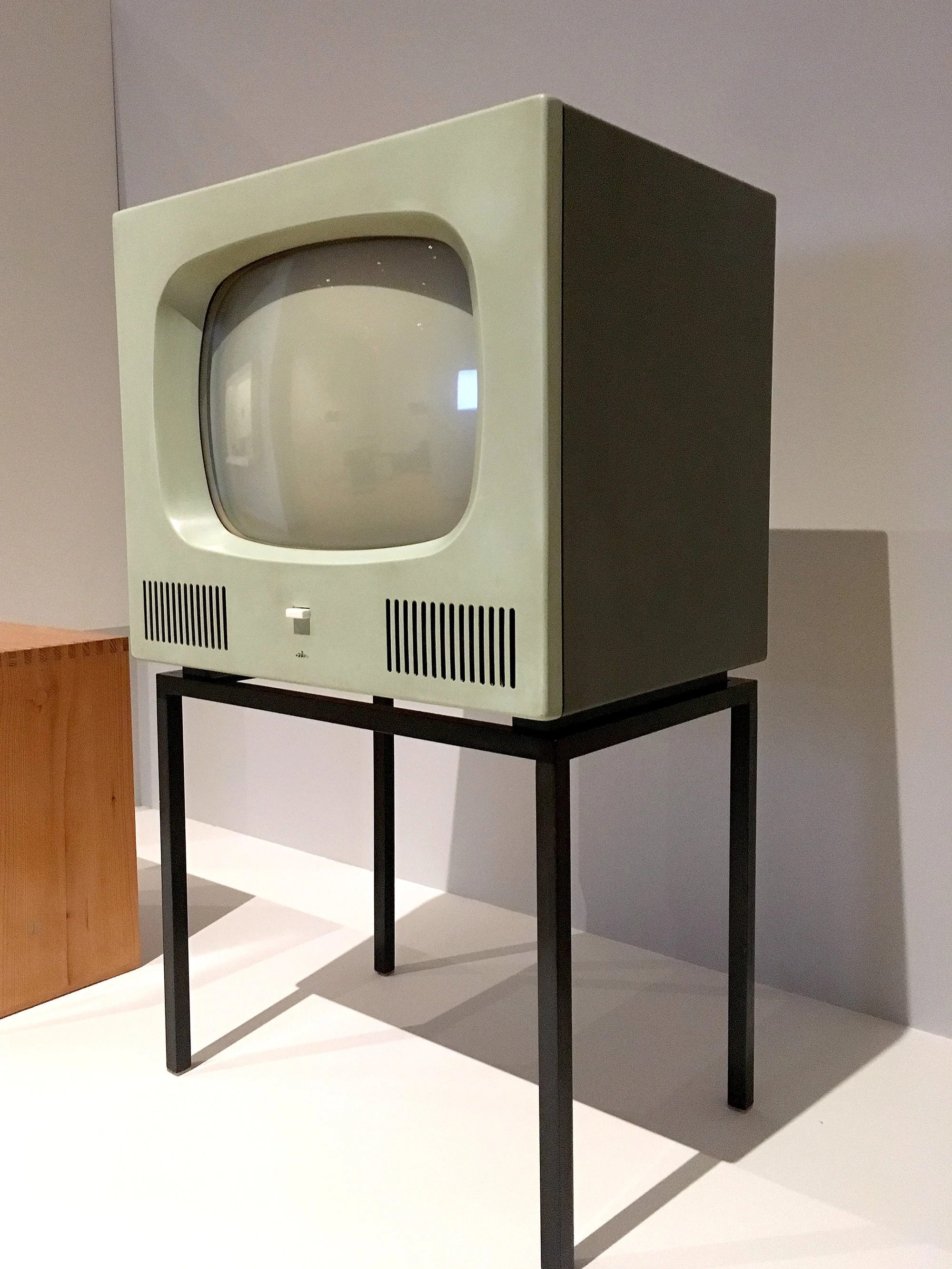
“Modernism is about honesty.”
Rams believed design should never exaggerate a product’s capabilities. Controls, materials, and structure should reflect exactly what the product does—no decorative tricks.
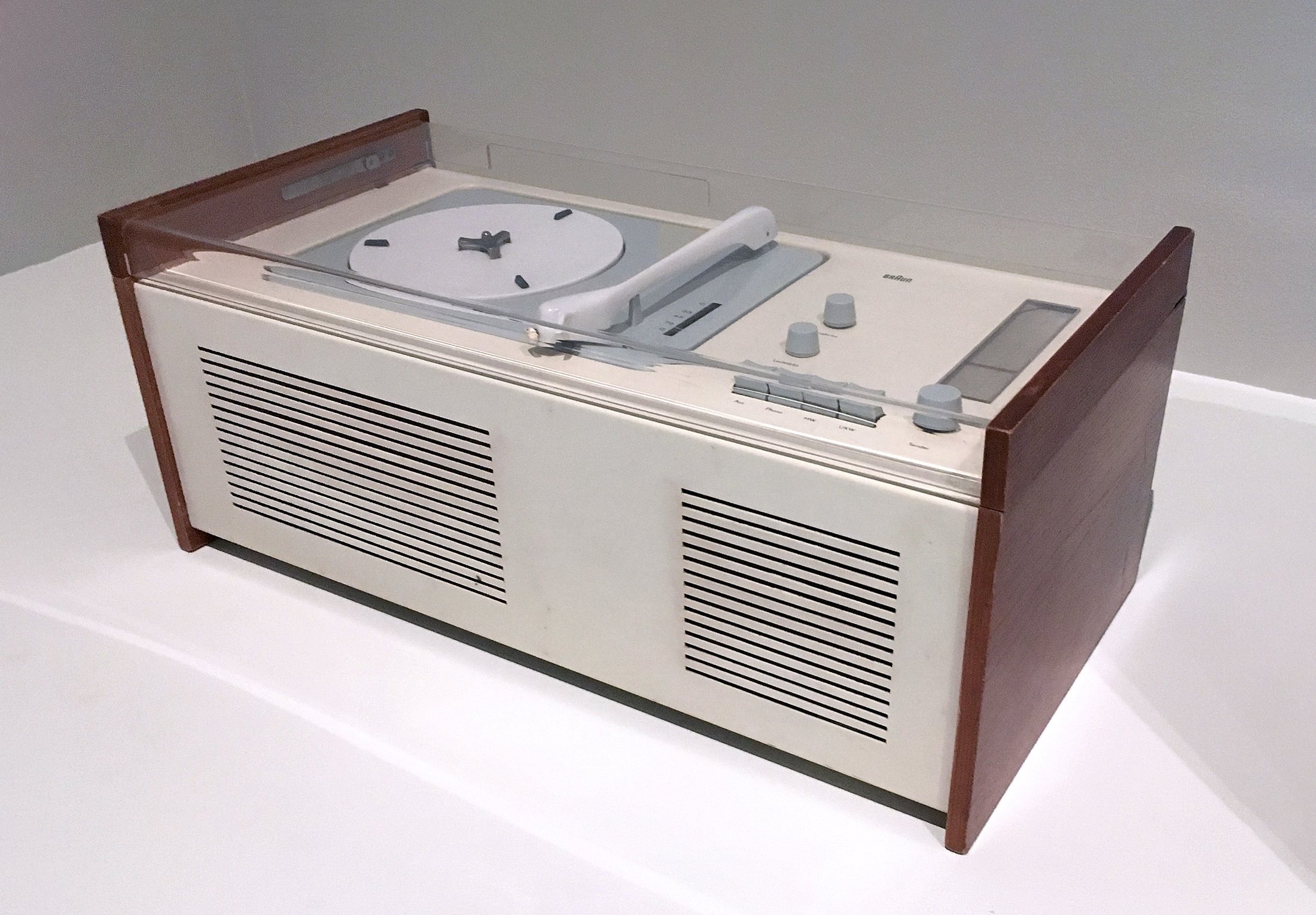
One of his earliest collaborations at Braun, the SK4 record player (1956), had a transparent acrylic lid. Germans nicknamed it “Schneewittchensarg” (Snow White’s Coffin) because you could see the electronics inside.
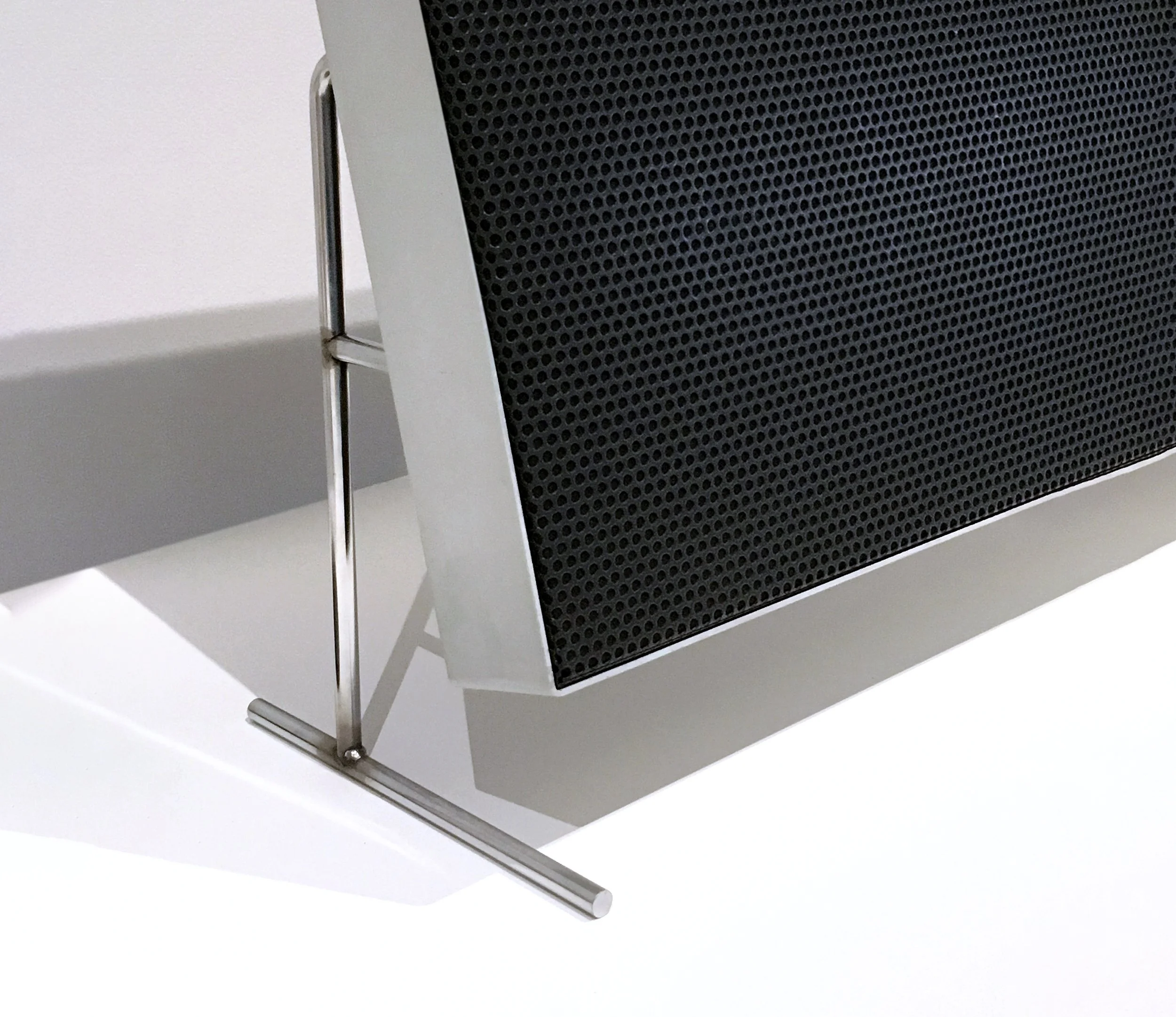
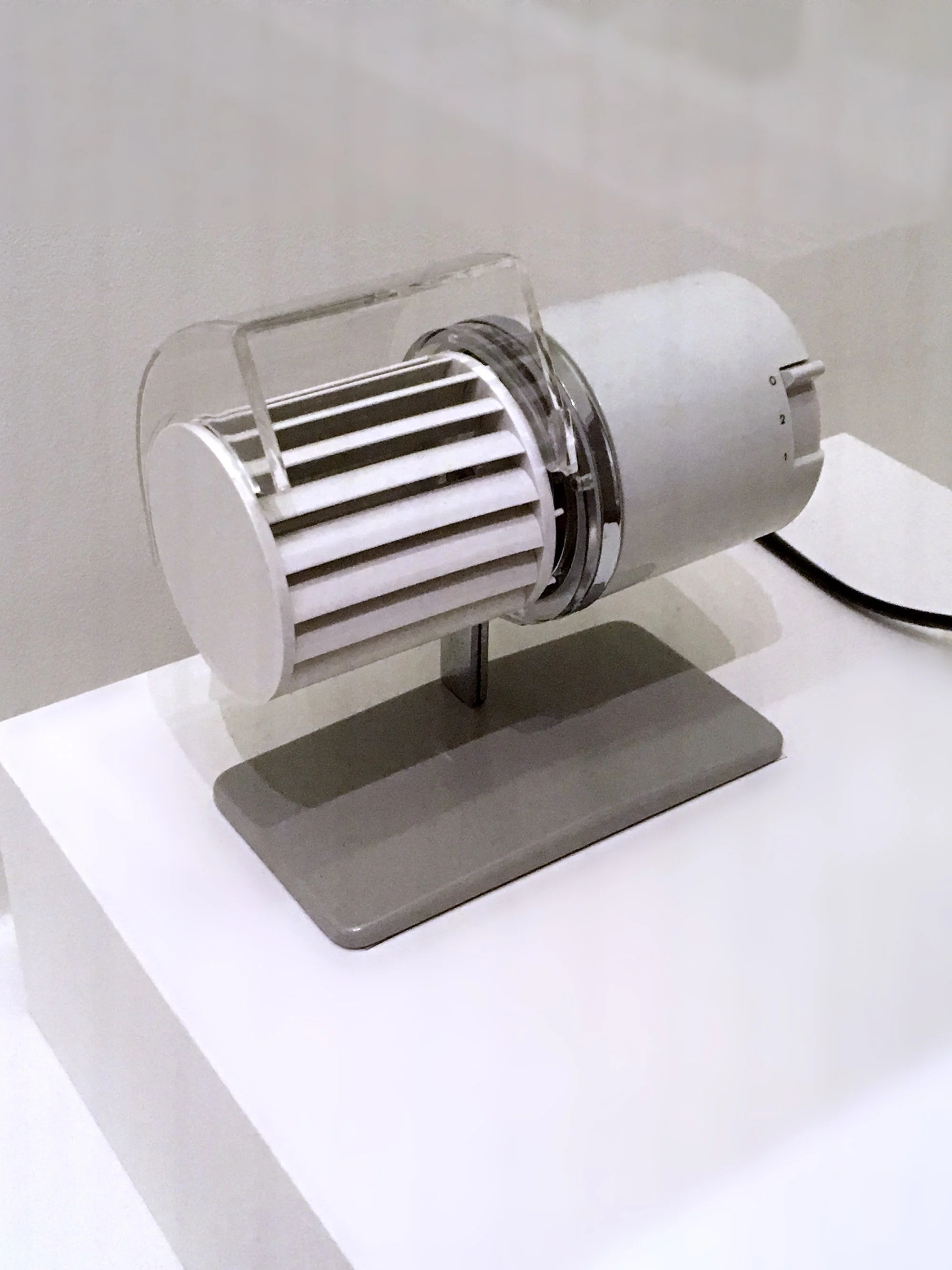
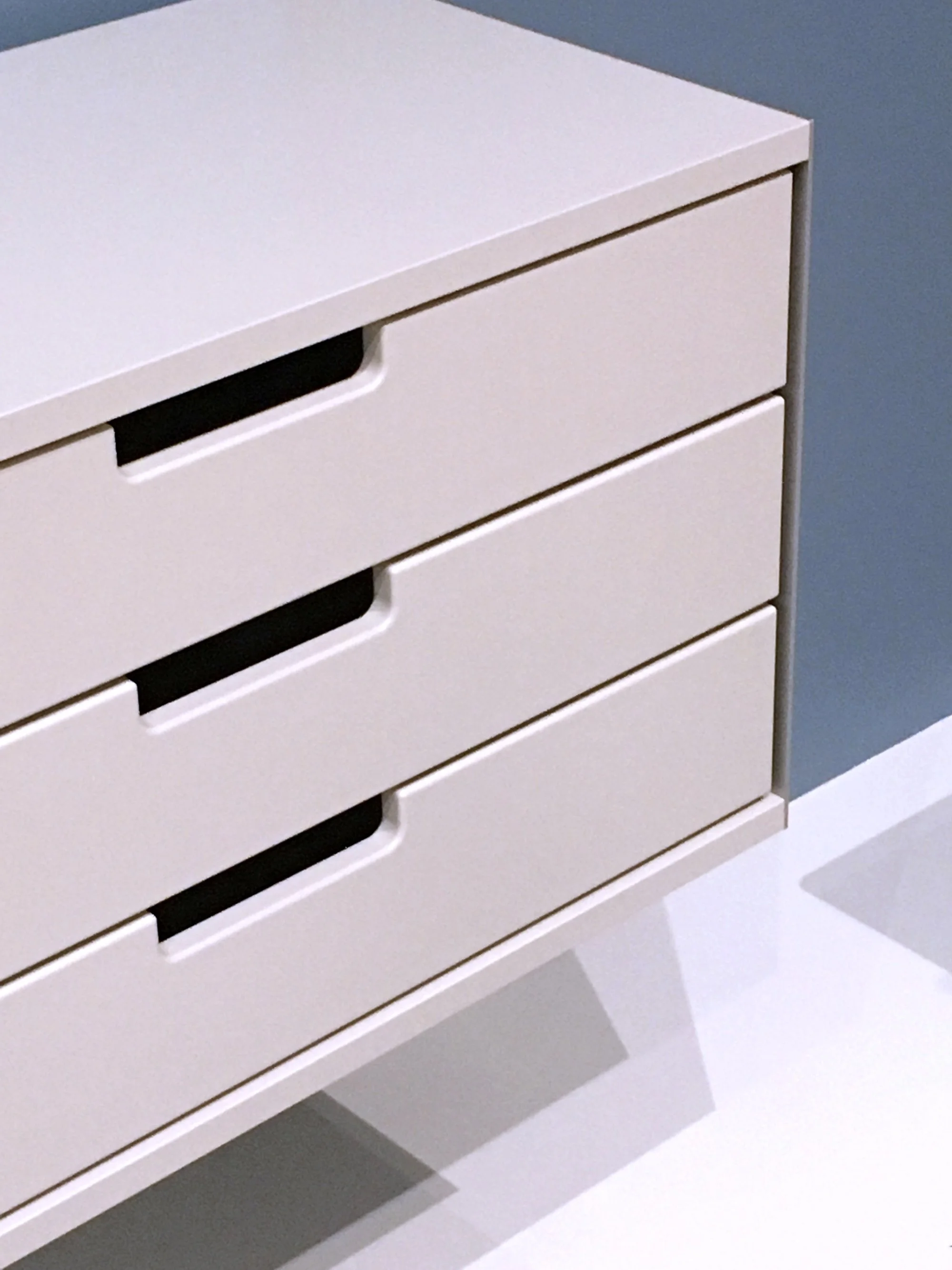
During his decades at Braun, Rams contributed to more than 500 product designs, including radios, shavers, speakers, kitchen appliances, and calculators.
The 606 Universal Shelving System (at right in the grouping) Rams designed for Vitsoe in 1960 is still in production today with minimal changes—an extremely rare lifespan for furniture.
Back to Index of Journal Stories