-
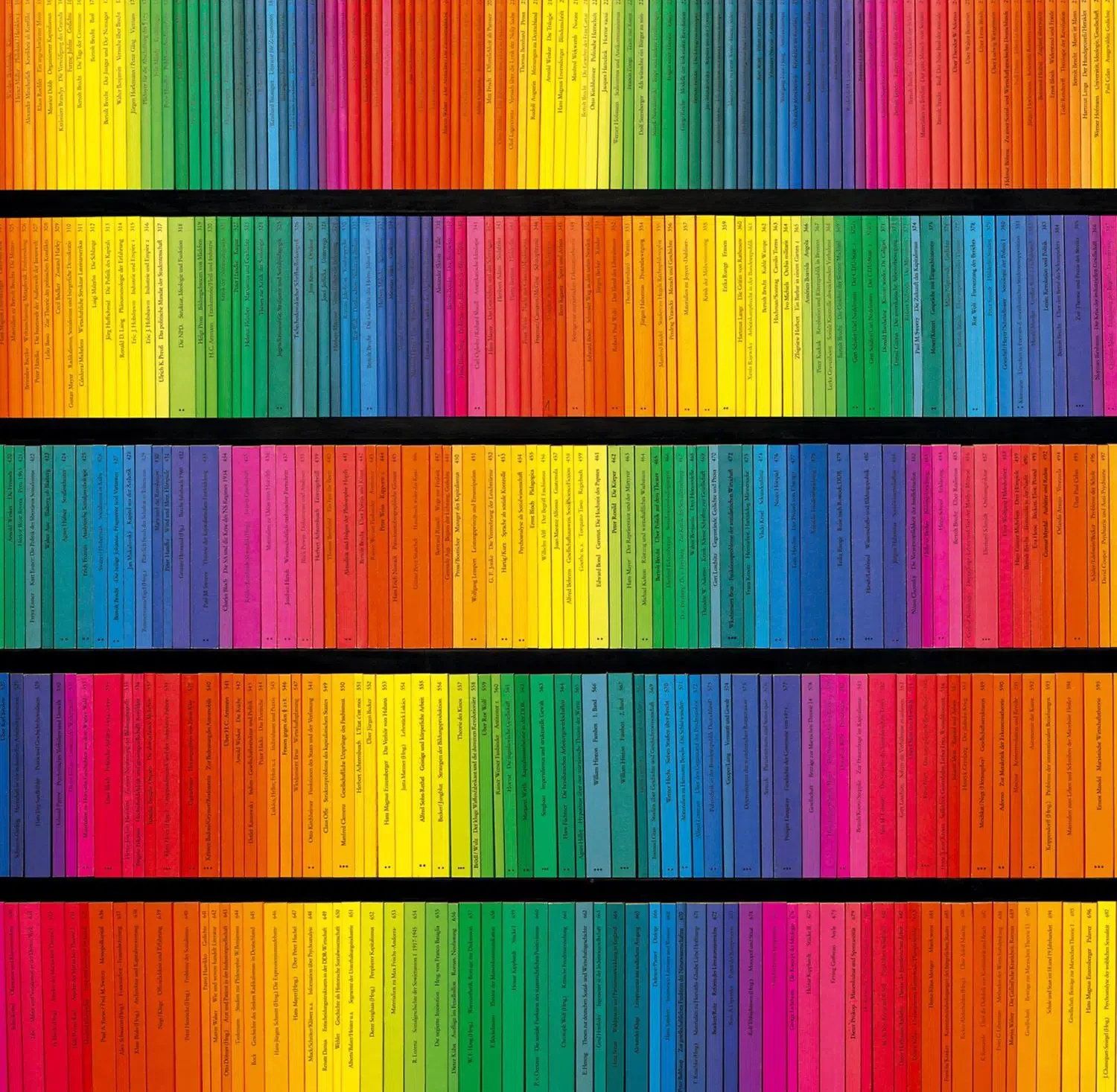
Willy Fleckhaus Revolutionizes Editorial Design
From magazines and newspapers to books and album covers, German art director Willy Fleckhaus (1925-1983) may have been the best editorial designer of all time…
-
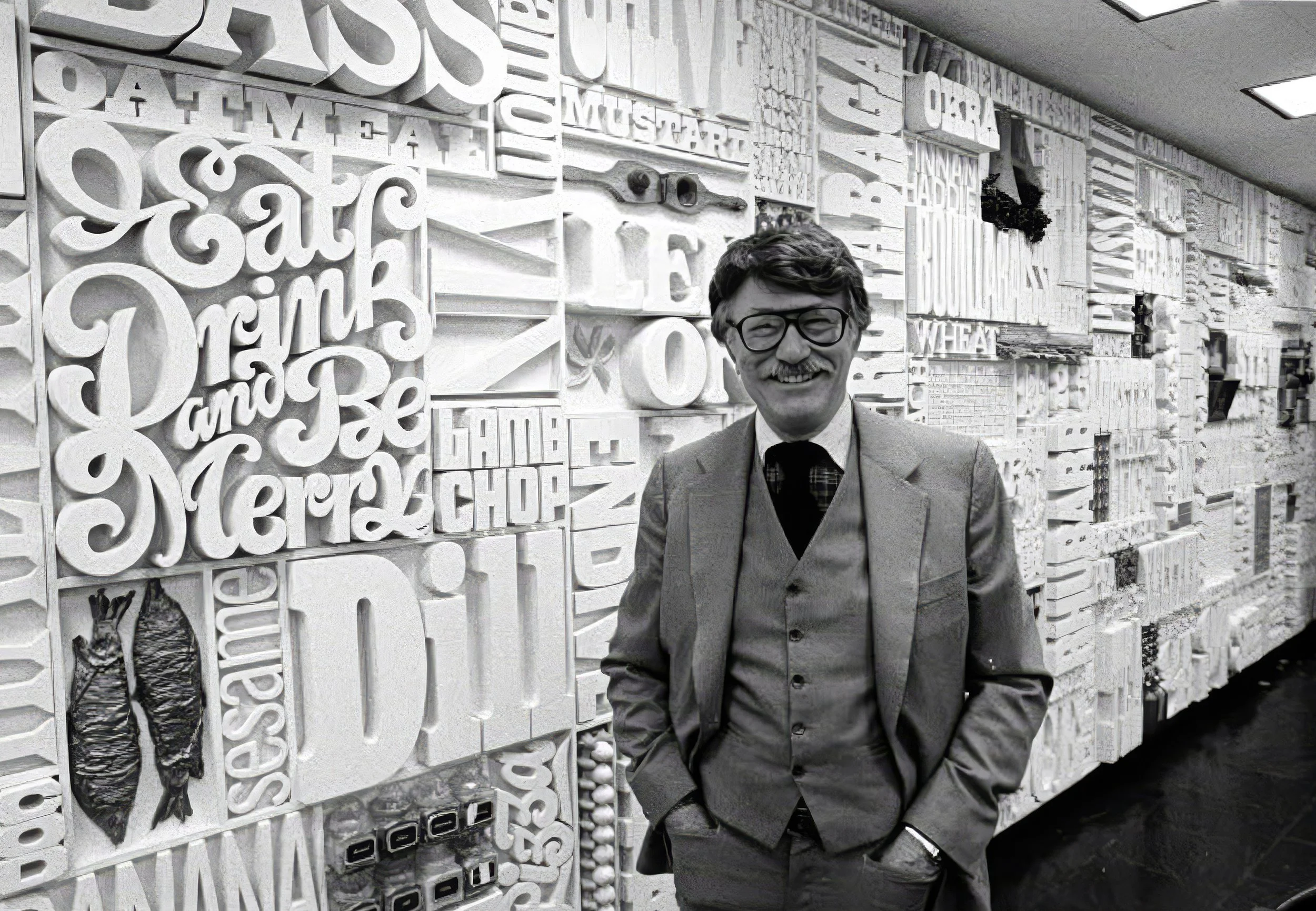
Lou Dorfsman: The Modernist Who Redesigned CBS
One of my all-time favorite design books, Dorfsman & CBS is a superlative education in typography and the handling of two-dimensional space…
-
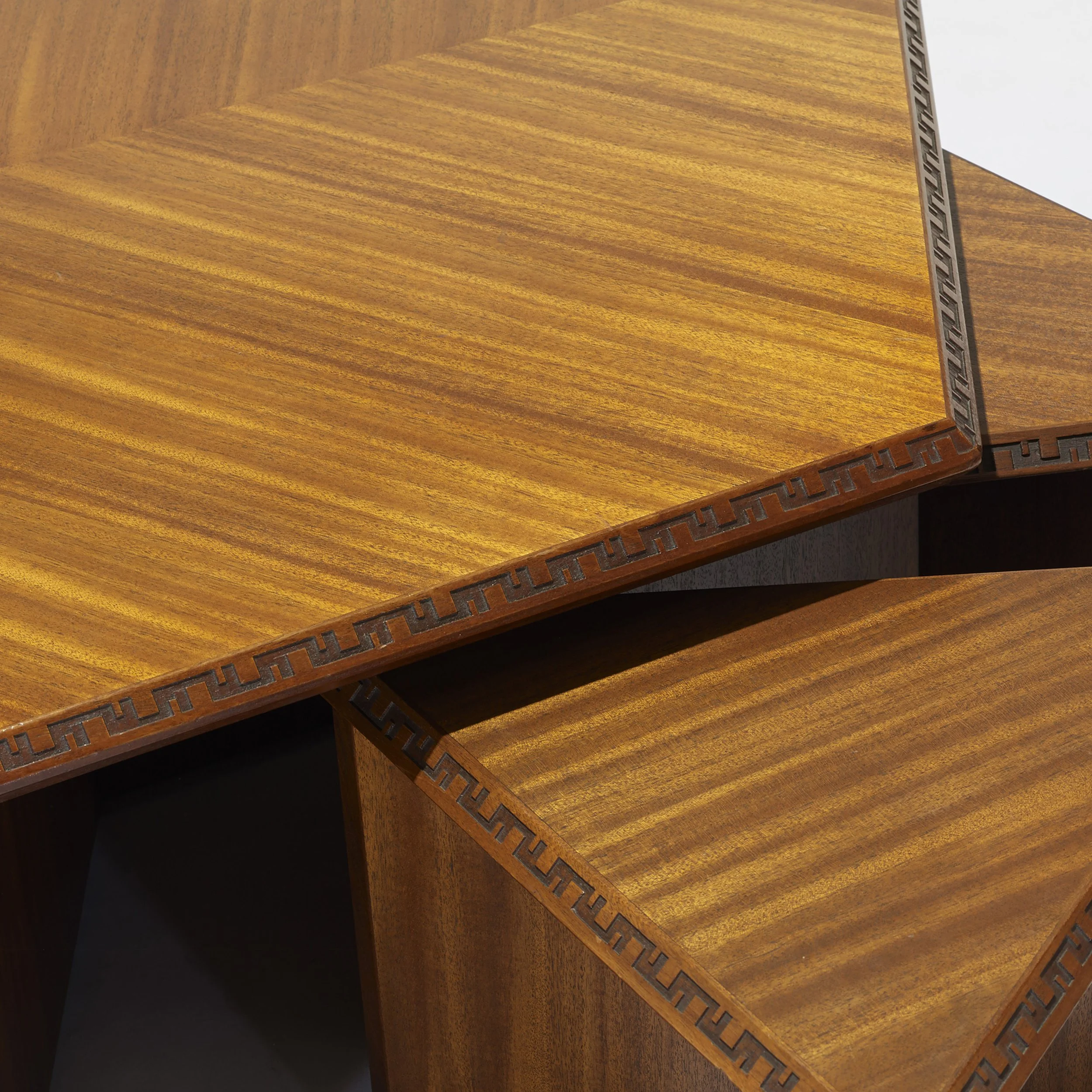
Frank Lloyd Wright’s Furniture and Pure Geometry
After a decades-long career of highs and lows, Frank Lloyd Wright became America’s most famous architect in the 1950s…
-

Hitchcock / Truffaut: Designing a Brilliant Book Cover
In 1962, there was a historic series of interviews between two cinematic legends: French Film director François Truffaut and Alfred Hitchcock. The results were chronicled in…
-

Oceanside Brutalism: Louis Kahn’s Salk Institute
Located about 20 minutes north of San Diego, the spectacular Jonas Salk Institute is open for public architecture tours …
-
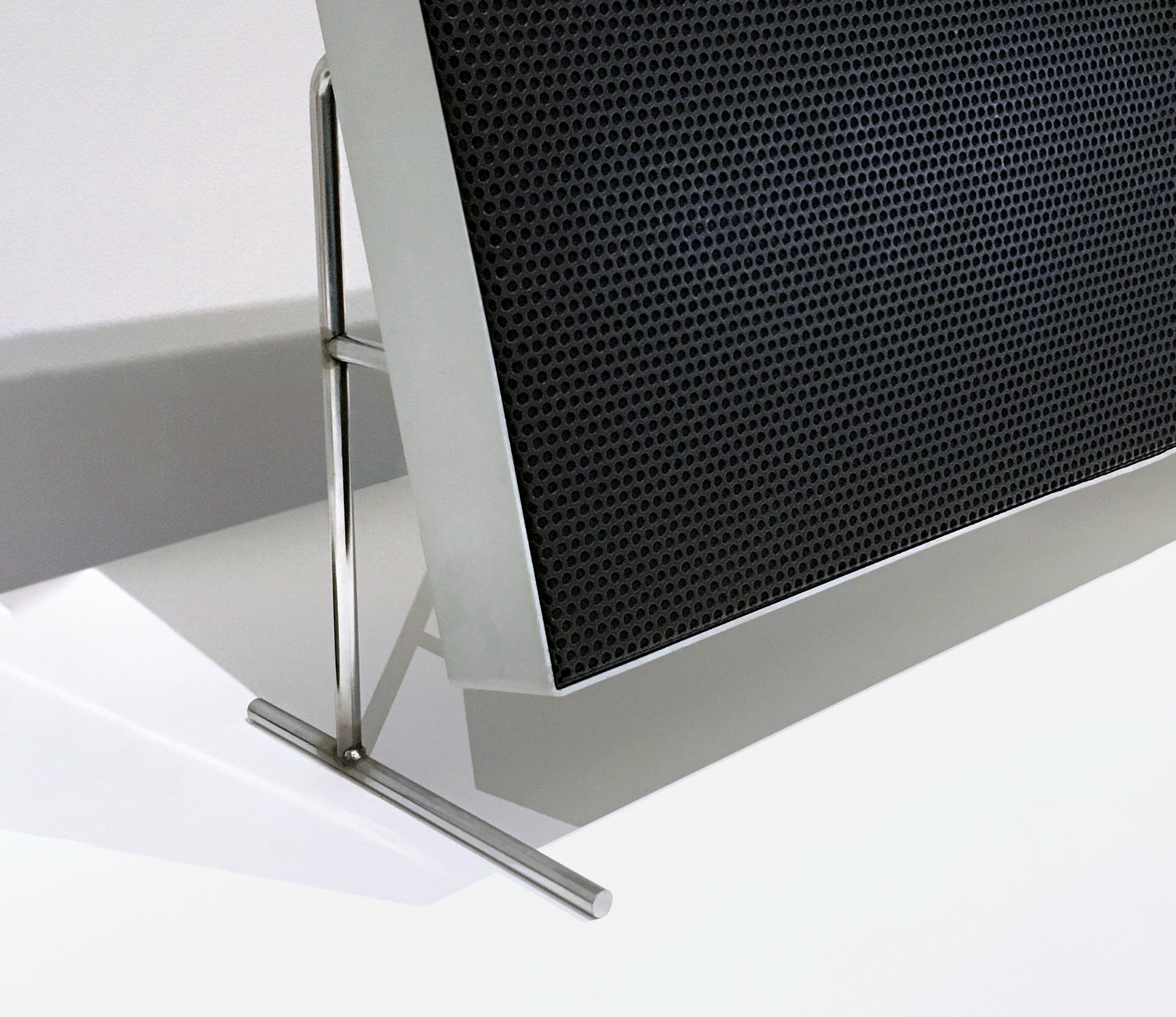
Dieter Rams Product Design Exhibition
Some of the 20th Century’s most beautiful electronics and household appliances were shaped by Dieter Rams’ belief in functionality and timelessness. This was a marked contrast with…
-

Anniversary Poster: Celebrating SAIC's Past and Future
SAIC is an engineering and technology firm that’s all about innovation: developing solutions to improve the future. I was asked to develop design concepts to mark their anniversary…
-

ITC Didi Typeface Revival
One of Tom Carnase’s most elegant and refined typeface designs was ITC Didi, which was based on the Didone typefaces of the late 17th century. Carnase added elements of…
-
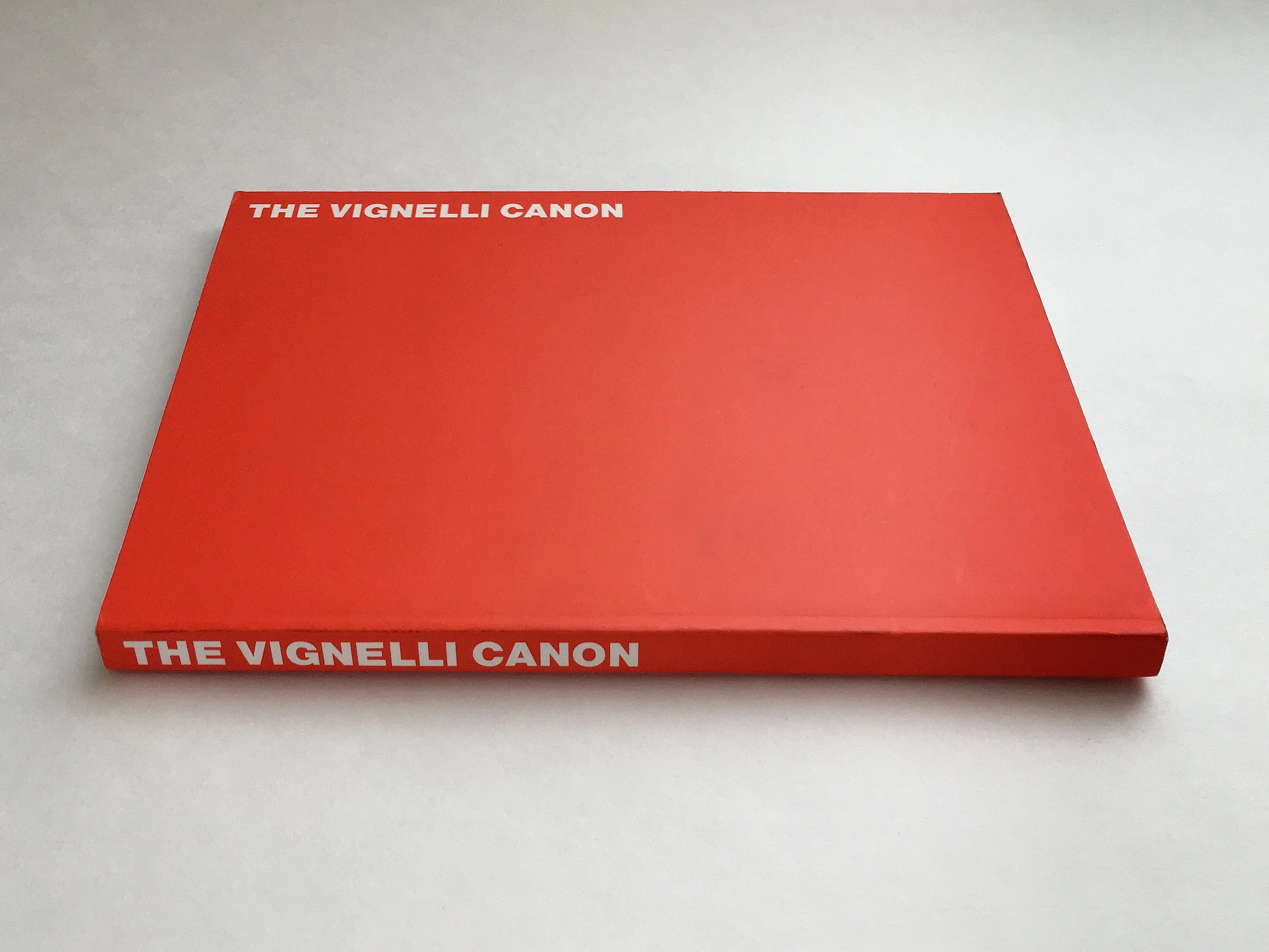
Vignelli Canon: a Design Education in One Book
This is the best instructional book about graphic design ever conceived — it is a perfectly reasoned and articulated manifesto on Modernist design thinking…
Willy Fleckhaus Revolutionizes Editorial Design
From magazines and newspapers to books and album covers, German art director Willy Fleckhaus (1925-1983) may have been the best editorial designer of all time. He's certainly been a source of admiration and inspiration throughout my career. Fleckhaus’s striking designs are energized by his expert use of the grid, his superb manipulation of white space, and his dynamic typographic compositions.
Willy Fleckhaus Revolutionizes Editorial Design
From magazines and newspapers to books and album covers, German art director Willy Fleckhaus (1925-1983) may have been the best editorial designer of all time. He's certainly been a source of admiration and inspiration throughout my career. Fleckhaus’s striking designs are energized by his expert use of the grid, his superb manipulation of white space, and his dynamic typographic compositions.
Frank Lloyd Wright’s Furniture Design and the Timeless Appeal of Geometry
From magazines and newspapers to books and album covers, German art director Willy Fleckhaus (1925-1983) may have been the best editorial designer of all time. He's certainly been a source of admiration and inspiration throughout my career. Fleckhaus’s striking designs are energized by his expert use of the grid, his superb manipulation of white space, and his dynamic typographic compositions.
Willy Fleckhaus Revolutionizes Editorial Design
From magazines and newspapers to books and album covers, German art director Willy Fleckhaus (1925-1983) may have been the best editorial designer of all time. He's certainly been a source of admiration and inspiration throughout my career. Fleckhaus’s striking designs are energized by his expert use of the grid, his superb manipulation of white space, and his dynamic typographic compositions.
Learning from Lou Dorfsman:
The Modernist Who Redesigned CBS
One of my all-time favorite design books, Dorfsman & CBS is a superlative education in typography and the handling of two-dimensional space. Lou Dorfsman worked at CBS for forty years in the mid-20th century, functioning as their creative director before the term even existed. He developed an entire visual language for the network, and used it to design everything from the cups in the CBS cafeteria to on-air motion graphics.

Frank Lloyd Wright’s Furniture and the Timeless Appeal of Pure Geometry
After a decades-long career of highs and lows, Frank Lloyd Wright became America’s most famous architect in the 1950s. He was the first “starchitect” in American history, developing his own innovative design language and landing on the cover of Time Magazine. In addition to creating dozens of iconic structures like the Price Tower in Oklahoma and the Guggenheim Museum in New York, Wright found time to design a line of furniture for the Heritage Henredon company.

Hitchcock / Truffaut: How to Design a Brilliant Book Cover (and How Not To)
Hitchcock/Truffaut is a 1966 book based on a historic series of interviews between two cinematic legends: François Truffaut and Alfred Hitchcock. For this marathon interview, Truffaut flew from Paris to Los Angeles in 1962, where the two directors spent an entire week sequestered in a room at Universal Studios, talking extensively about Hitchcock’s movies and filmmaking in general.
Visiting Louis Kahn’s Salk Institute
The Jonas Salk Institute was on my must-see list for years, and I finally made it there! About 20 minutes north of San Diego, the Salk Institute is open for public architecture tours by appointment and a small admission fee is charged. And it’s well worth a trip to see this in person.
Dieter Rams Product Design Exhibition at the Philadelphia Museum of Art
Some of the 20th Century’s most beautiful electronics and household appliances were shaped by Dieter Rams’ belief in functionality and timelessness. This was a marked contrast with the more common “planned obsolescence” design strategy that applied fashionable trends to manufactured products that are then considered dated and out of style in a few years’ time.
Celebrating the Past and the Future: An Anniversary Poster for SAIC
Some of the 20th Century’s most beautiful electronics and household appliances were shaped by Dieter Rams’ belief in functionality and timelessness. This was a marked contrast with the more common “planned obsolescence” design strategy that applied fashionable trends to manufactured products that are then considered dated and out of style in a few years’ time.

ITC Didi Typeface Revival
One of Tom Carnase’s most elegant and refined typeface designs was ITC Didi, which was based on the Didone typefaces of the late 17th century. Carnase added elements of English Modern type designs, such as flared bracketing and exaggerated ball terminals, along with a higher x-height that made Didi excel in display sizes.
The Vignelli Canon is a Design Education in One Book
How does one begin to describe the importance or the brilliance of the Vignelli Canon? Maybe by first establishing that it is the best instructional book about graphic design ever conceived — it is a perfectly reasoned and articulated manifesto on Modernist design thinking.
The book’s minimalist design points to its main theme: distilling information into its simplest form results in the most powerful communication.